April 2026
As an external supervisor, I have a privileged insight into what’s happening in the lives of practitioners and the people they support. After working for many years as an external supervisor, here’s what I’ve learned about what makes supervision effective and what doesn’t.
Supervision isn’t about giving the right answers
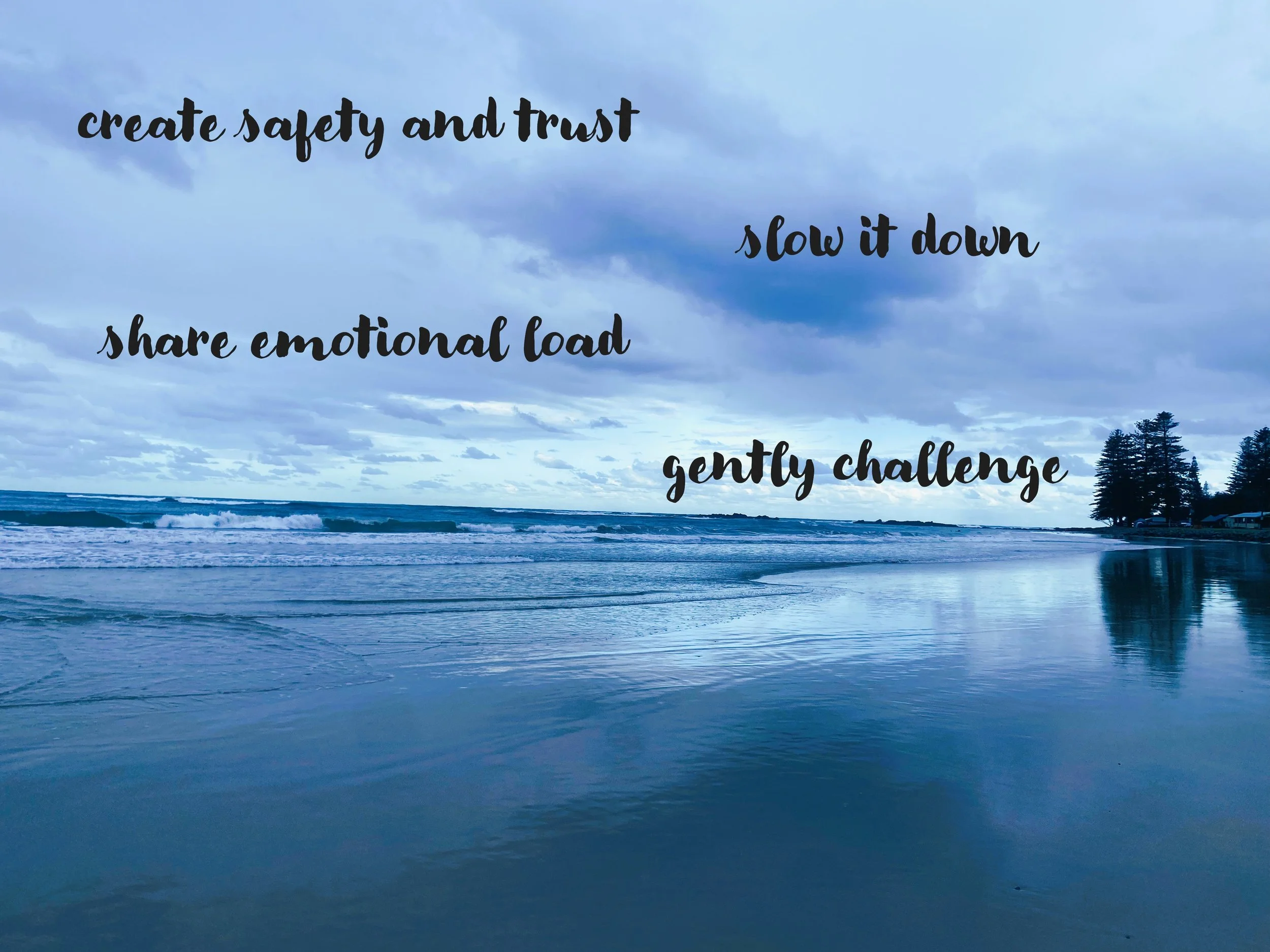
People often come into supervision looking for direction, and sometimes that’s appropriate. But if supervision becomes a place where the supervisor offers critical reflection rather than guides the reflective process, there is no real growth for the supervisee. What I’ve learned is that my role is to slow the conversation down so people can think clearly, reflect properly, and make sense of their own practice.
Supervision has to be a safe place
Without trust and psychological safety, supervision becomes a performance. People filter what they say, and they avoid the parts they’re unsure about. They will stay on the surface of the work, perhaps discussing the client work but not reflecting on their challenges in doing the work. I build safety and trust by showing up for our scheduled sessions, staying focused on the supervisee, and consistently using strength-based processes throughout our sessions.
External supervision changes what’s possible
Being outside the organisation matters because there’s no reporting line, no performance management attached, and there are no internal dynamics shaping the conversation. That separation allows for more direct reflection, especially around organisational pressure, ethical concerns, role confusion and professional identity. In external supervision, I provide supervisees with space where they can speak freely without weighing up consequences.
The emotional load is real
Social workers aren’t just managing tasks; they’re also holding risk, responsibility, and other people’s trauma, often over long periods of time. Over time, it can show up as fatigue, detachment, reduced confidence or ongoing ethical challenges. I make space in supervision to acknowledge the emotional load and ensure supports are in place beyond supervision.
The work is about the practitioner, not just the case
If supervision focuses only on external factors, it misses what’s actually shaping the work. There is a need to focus on what’s happening with decision-making, boundaries, and confidence, not just talk about the cases. When my focus includes the practitioner themselves, things tend to shift more meaningfully.
Good supervision isn’t just supportive
While feeling supported in supervision is important, supervision also needs to challenge assumptions, blind spots, unsafe practice and avoidance. As a supervisor, it is important that I balance comfort and challenge.
Supervision is a safeguard; it’s not an optional extra
When supervision is inconsistent, overly administrative, or avoided altogether, practice can become reactive rather than proactive. People have less clarity in making ethical decisions. This is what often leads to worker burnout.
Good supervision creates a place where thinking stays active, not automatic. In my experience, supervision doesn’t need to be complex to be effective. But it does need to be honest, structured, and grounded in real practice. Good supervision keeps people steady in the work. How steady are you?
By Vicki Carrick
Vicki is a trained Social Worker and Community Worker, accredited by the Australian Association of Social Workers (AASW) and the Australian Community Workers Association (ACWA). Her extensive experience and dedication make her a trusted professional in the field.
